Looking ahead, the future of AI in 2025 will focus on creating efficient and accessible models, while navigating the challenges posed by intellectual property rights.
A collaborative team of AI researchers from Stanford University and the University of Washington has developed an open-source reasoning model named s1, which was trained with an astonishingly low cost of under $50 in cloud computing.
However, the development of s1 raises ethical concerns regarding reverse-engineering and potential breaches of intellectual property rights, particularly related to Google's models.
The rise of distillation methods in AI development may spark ongoing debates about proprietary data usage among major AI developers, including OpenAI and DeepSeek.
The introduction of s1 provides the U.S. with a competitive edge against China's DeepSeek R1, showcasing comparable reasoning capabilities at a fraction of the cost.
In a related legal matter, Elon Musk is suing OpenAI, claiming they have strayed from their nonprofit mission following his substantial investment, highlighting the complexities within the AI industry.
The creation of s1 exemplifies a growing trend towards developing efficient reasoning models at significantly reduced costs compared to traditional large AI labs.
Designed to outperform established models like OpenAI's o1 and DeepSeek's R1, s1's development costs were remarkably low, emphasizing the potential for cost-effective AI solutions.
S1 was trained on a carefully curated dataset of 1,000 high-quality reasoning problems, achieving impressive results after only 30 minutes of training on 16 Nvidia H100 GPUs, costing approximately $20.
A unique feature of s1's training involved the command 'wait,' which allows the model to pause and review its answers, thereby enhancing its accuracy.
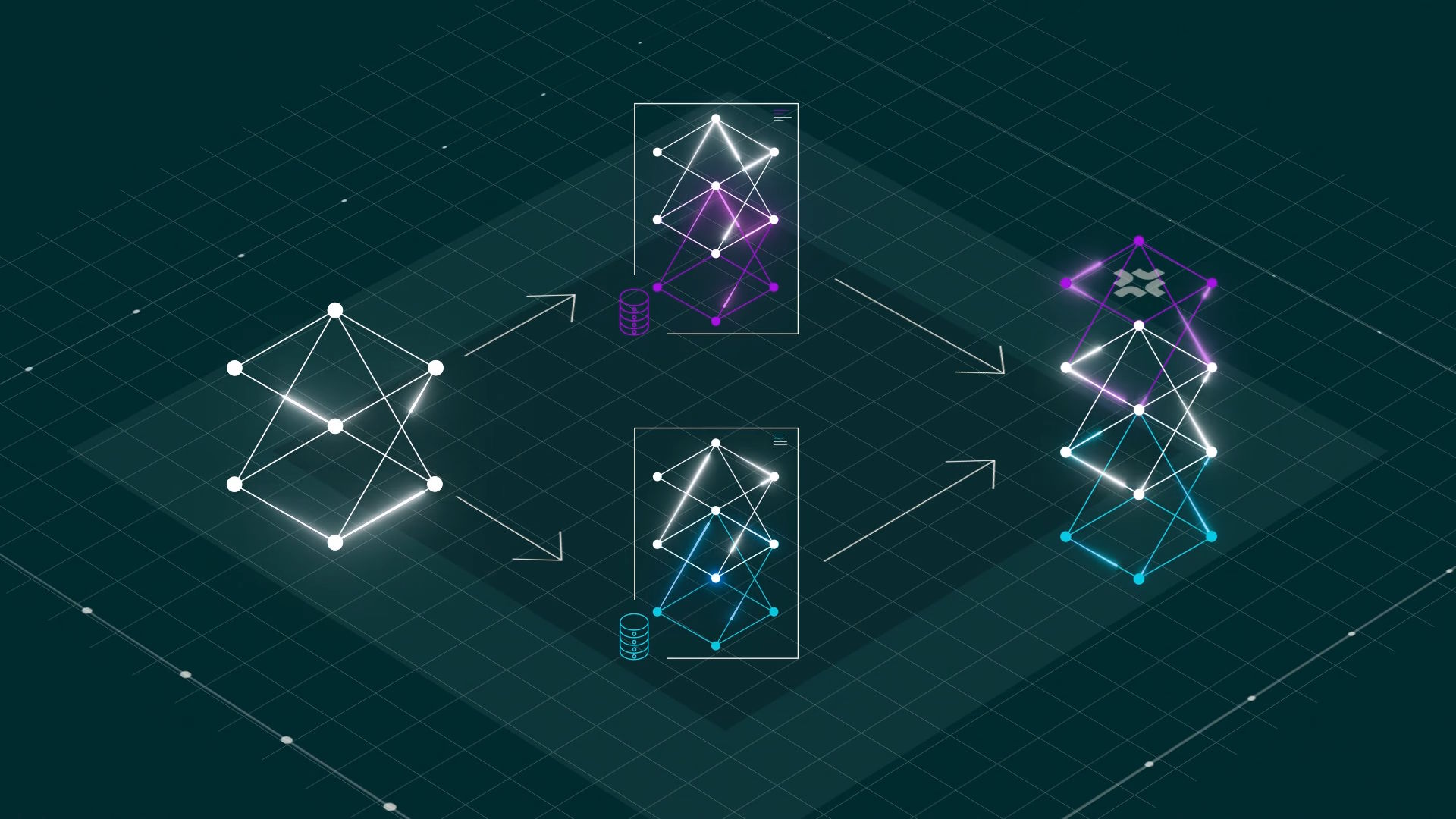
The researchers utilized a distillation process to extract reasoning capabilities from Google's Gemini 2.0 model, allowing s1 to replicate advanced reasoning abilities.
S1's performance on math and coding benchmarks is comparable to leading models like OpenAI's o1 and DeepSeek's R1, and the entire project is accessible on GitHub for public experimentation.