Since its release on January 20, 2025, DeepSeek's mobile app has quickly become the most downloaded free app on Apple's App Store in the U.S., surpassing OpenAI's ChatGPT just two days later.
DeepSeek-R1, an open-source AI model from the Chinese startup DeepSeek, is making waves for its performance that rivals top models like OpenAI's GPT-4 and Anthropic's Claude 3.5 Sonnet, all while being significantly more affordable.
Industry insiders view DeepSeek's rapid rise as a potential game changer, suggesting that it could democratize AI development and allow smaller companies to compete against tech giants.
Roi Ginat, CEO of EndlessAI, believes that DeepSeek's achievements could empower smaller teams with limited resources to make more innovative contributions to the AI field.
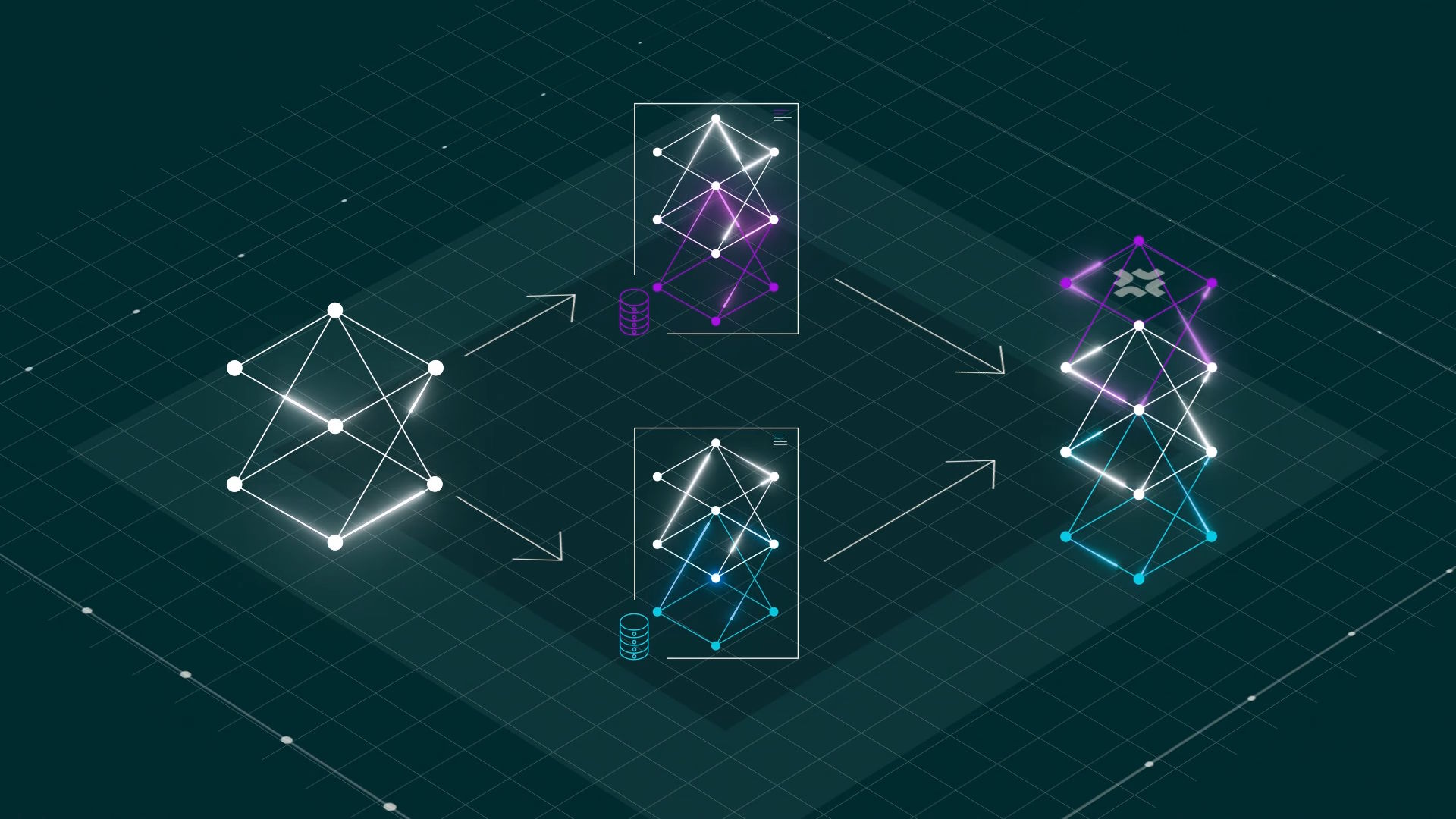
The architecture of DeepSeek-R1 employs a Mixture of Experts (MoE) system, which activates only a fraction of its 671 billion parameters for each computation, enhancing efficiency and reducing costs.
Historically, the U.S. has restricted access to advanced AI chips to maintain its technological edge, but these restrictions have inadvertently spurred global innovation.
Pukar Hamal, CEO of SecurityPal, cautioned that while DeepSeek's cost reductions could lead to broader AI deployment, significant changes will take time and cannot solely rely on earnings reports.
OpenAI's funding efforts are partly aimed at supporting a major AI infrastructure project led by Donald Trump, which seeks to raise $500 billion over four years.
The rise of open-source models like DeepSeek's is prompting innovation in countries such as the USA and India, highlighting the need for continued development in open-source AI.
Palmer emphasizes the importance of understanding costs in AI development, noting that OpenAI's models are significantly more expensive compared to those from DeepSeek.
DeepSeek's success illustrates the benefits of open-source principles, which have fostered community collaboration and innovation in AI technology.
To maintain its leadership in AI, the U.S. must focus on creating frameworks for responsible innovation rather than imposing restrictions on technology access.