ByteDance has unveiled OmniHuman-1, an innovative AI capable of generating lifelike videos from a single image, complete with natural gestures, lip-syncing, and full-body movements.
Potential applications for OmniHuman-1 include recreating historical figures for educational purposes, enhancing digital avatars for social media and gaming, and creating lifelike characters for films.
Photographers and filmmakers face challenges in maintaining control over their images when utilizing such AI tools, as misuse could lead to reputational damage and legal issues.
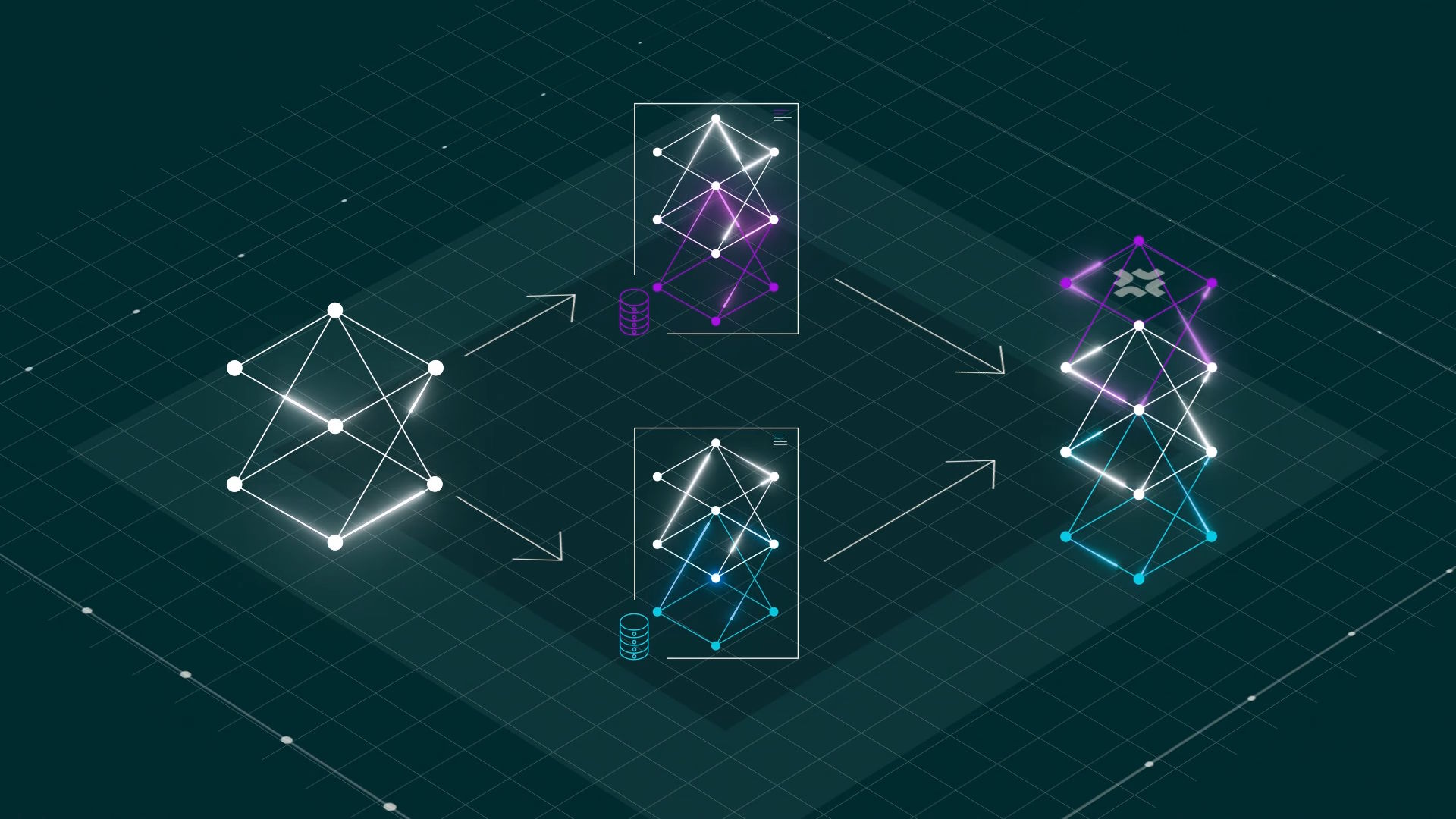
OmniHuman-1 employs a two-step process that compresses movement data and refines generated videos by comparing them to actual footage, resulting in accurate mouth movements and facial expressions.
The rapid evolution of AI technology, highlighted by the introduction of various new models in early 2025, underscores the need for responsible implementation by creators and companies.
ByteDance aims to establish itself as a leader in AI-driven content creation, leveraging the global reach of TikTok to transform video production.
This advanced model was trained on an extensive dataset of 19,000 hours of video footage, allowing it to produce realistic sequences that accurately mimic human motion and speech.
As a significant development in AI-driven content creation, OmniHuman-1 could greatly impact mainstream media while raising concerns about deepfakes and digital identity.
In response to the misuse of deepfake technology, over ten U.S. states have enacted laws against AI impersonation, but a comprehensive federal law is still lacking.
However, the rise of deepfake technology has sparked serious concerns, particularly as it has been exploited for misinformation, fraud, and scams, especially during the recent election cycle.
Despite its potential, OmniHuman-1 is not intended to replace traditional production methods, and its adoption should be approached with caution due to possible negative repercussions.
Deepfakes are notoriously difficult to detect, and despite efforts by social networks to limit their spread, the volume of deepfake content continues to rise.